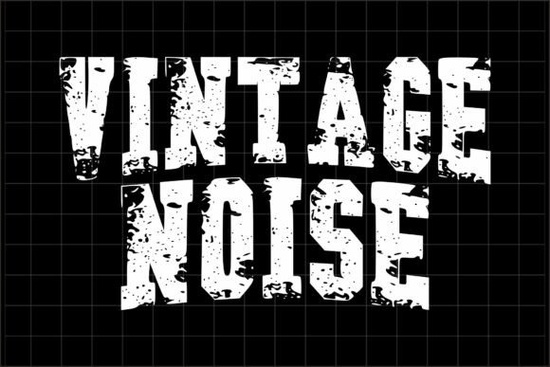
If you are tired of digital designs that look too smooth or sterile, a typeface with built-in texture can instantly ground your layout. The Vintage Noise Font delivers exactly that kind of worn, tactile quality without requiring you to add heavy filters in post-processing. It carries a rough, distressed character that mimics old-school print techniques, making it a reliable choice for anyone who wants their graphics to feel hand-crafted. You will notice how the uneven edges and scattered speckles replicate the look of ink bleeding slightly into uncoated paper. This natural imperfection helps your branding feel approachable rather than overly polished, which resonates well with audiences looking for authentic, small-batch craftsmanship.
How does this distressed typeface look on actual print materials?
When you move from screen to physical stock, the ink spread naturally enhances the rough edges built into the glyphs. This means event posters, apparel tags, and shipping boxes will pick up that authentic retro feel much better than a perfectly clean sans serif. The typeface keeps strong legibility even at larger sizes, so you can rely on it for main headlines without worrying about the texture overwhelming the message. If you are setting up a print-on-demand shop or crafting custom labels, this kind of built-in grit saves hours because you do not need to apply halftone overlays or manually paint wear effects.
Which design styles actually need this kind of worn aesthetic?
Industrial branding, streetwear graphics, and music flyers rely heavily on mood and surface quality. When your project calls for a rebellious or grounded tone, clean vector lines often fall flat and feel disconnected from the product. This display typeface adds instant character, which pairs naturally with concrete backgrounds, faded color palettes, and high-contrast layouts. Crafters making custom patches, enamel pins, or heat-transfer vinyl also find it easier to work with lettering that already carries visual weight. Instead of chasing a flawless digital finish, you lean into the imperfect charm of old urban signage and weathered packaging.
How do I balance the heavy letterforms with other text styles?
Because the primary font commands attention, supporting text should stay simple and highly readable. Use a neutral sans serif for body copy or product details to prevent the layout from feeling chaotic. If you are building a multi-style poster, you can balance the rough shapes with something cleaner and more geometric. For instance, exploring modern display alternatives gives you a crisp contrast for secondary headings and pricing blocks. You might also frame the main title with marquee-style lettering to add structural borders without competing for visual space. Proper hierarchy keeps the viewer focused on your main message.
What should I check before scaling it down for social media?
Distressed lettering can sometimes lose fine detail when compressed for Instagram thumbnails, Pinterest pins, or mobile banners. To maintain clarity across screens, stick to short phrases, band names, or single keywords. Increase the character spacing slightly so the rough edges do not merge into a muddy block. Dark charcoal or deep olive backgrounds usually preserve the subtle noise pattern better than pure black, which can flatten the texture and reduce depth. Always preview your final export at actual size to ensure the built-in distress reads correctly across different screen resolutions and compression algorithms.
How do I layer effects without ruining the original grit?
Since the noise is baked directly into the shapes, adding heavy drop shadows or outer glows often muddies the overall composition and hides the design intent. Instead, keep styling minimal and intentional. Flat color fills, light grain overlays, or subtle offset duplicates preserve the tactile feel. Designers who work with heavy shadow treatments typically reserve those effects for cleaner, simpler typefaces to avoid visual clutter. If you want to compare how different retro styles handle spacing and stroke weight, you can browse historical serif collections to see how older printing methods influenced modern letterforms.
What licensing details matter for commercial projects?
Most independent type designers provide straightforward desktop licenses, but you should always verify whether your intended use covers physical merchandise, digital advertising, or client logo submissions. When preparing your project files, you can always reference the official product documentation to verify supported software versions. Check the included files for print quantity limits before starting a large run. The font installs in standard formats, so it integrates smoothly with common layout programs and cutting machines. For creators researching typography workflows, reviewing Retro Industrial Font references helps you understand licensing rules and avoid commercial restrictions.
What should you do before finalizing your layout?
- Test the font at 100 percent scale to verify texture readability.
- Pair it with a clean, high-legibility sans serif for body text.
- Use dark, muted backgrounds instead of bright white to enhance contrast.
- Avoid heavy filters or excessive drop shadows that flatten the built-in grunge.
- Export in high-resolution PNG or PDF to preserve fine edge details.
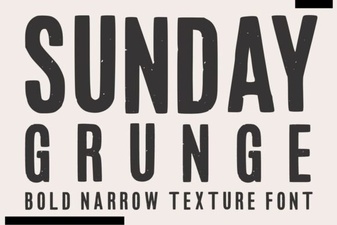 Sunday Grunge Fonts for Creative Designs
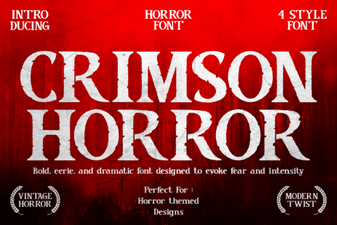 Craft with Crimson Horror Font: Design Ideas
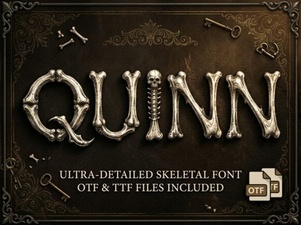 Quinn Font: Creative Typography for Your Projects
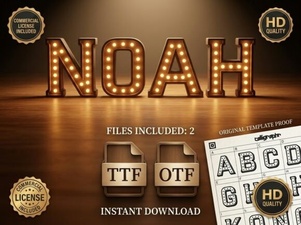 Explore the Noah Font: Design Features & Creative Uses
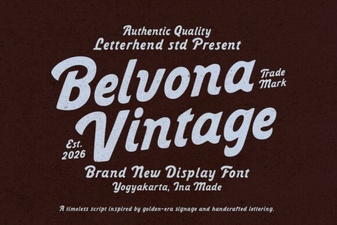 Belvona Vintage Font for Design Projects
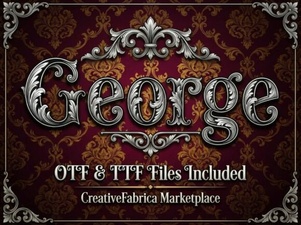 George Fonts for Modern Design Projects