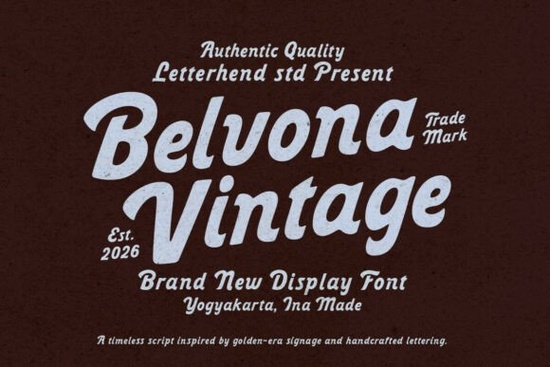
If you are looking for typography that instantly communicates heritage, warmth, and classic Americana, the Belvona Vintage Font is a strong choice. Inspired by old-school storefront lettering and classic signage, this typeface brings a smooth, golden-era charm to your projects. It has a warm, slow-roasted attitude that feels right at home on a steakhouse menu, a heritage logo, or a retro café branding kit.
What makes this typeface stand out for retro projects?
The main appeal of this lettering style is its authentic feel. It does not look like a forced imitation of the past. Instead, the smooth curves and balanced proportions mimic the hand-painted signs you would see on a main street diner or a classic butcher shop. When you are designing for print-on-demand products like enamel pins, wooden signs, or vintage-style t-shirts, this authentic look helps your items stand out in a crowded market.
Because it has such a distinct personality, it works best as a display font for headlines and short phrases. If you are building a menu board and want to pair it with something that has a bit more depth for the subheadings, you might also look into a shadowed display option to create a nice visual hierarchy without losing the retro theme.
Where should you use classic signage lettering?
This specific style shines in hospitality and food-related branding. Think about the visual identity of a craft brewery, a local barbecue joint, or an artisanal coffee roaster. The warm, inviting nature of the lettering tells customers that the business values tradition and quality.
For a cozy bakery or a rustic coffee shop, pairing this with a rounded, friendly alternative for the body text can create a really inviting layout that is easy to read. When designing a multi-page heritage brand book or a detailed restaurant menu, having a versatile duo set in your toolkit gives you more flexibility to handle different sections while keeping a cohesive look.
How does it compare to other nostalgic styles?
Not every retro project requires the same visual tone. It is important to match the font to the specific mood of your design. If your project leans more toward a sweet, mid-century soda shop vibe rather than a rugged steakhouse, a playful retro script might be a better fit for the main title.
On the other hand, if you are designing a vintage horror movie poster or a Halloween event flyer instead of a restaurant sign, you will want to switch to something with a grittier, distressed edge to set the right atmosphere. Knowing when to use a clean, classic sign-painting style versus a heavily textured one is a key skill for any designer.
What are the best practices for pairing vintage typography?
Getting the most out of classic lettering comes down to how you pair it with other elements. Here are a few practical tips to keep your layouts clean and readable:
- Keep body text simple: Pair your vintage display font with a clean, modern sans-serif for paragraphs and descriptions. This prevents the design from looking too cluttered.
- Use color strategically: Muted, earthy tones like mustard yellow, forest green, and burnt orange complement the golden-era feel of the lettering perfectly.
- Give it breathing room: Classic signage relies on clear spacing. Avoid cramming too many words into one line, and let the natural curves of the letters stand out.
- Add subtle textures: A very light paper or canvas texture in the background can enhance the old-school feel without making the text hard to read.
How can you test the font before finalizing your design?
Before committing to a full branding package or a large print run, it is always smart to test your typography in real-world scenarios. Print your designs out on actual paper or cardstock. Screen colors and lighting can trick your eyes, but a physical print will show you exactly how the lettering holds up in natural light.
To make sure your next project is a success, run through this quick checklist before sending your files to print or uploading them to your shop:
- Verify that the main headline is legible from a distance.
- Check the contrast between your text color and the background.
- Ensure your secondary fonts do not compete with the main vintage lettering.
- Proofread all text, as vintage styles can sometimes make spelling errors harder to spot.
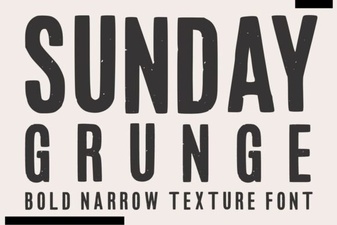 Sunday Grunge Fonts for Creative Designs
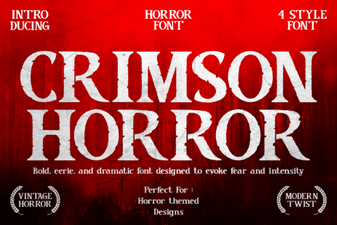 Craft with Crimson Horror Font: Design Ideas
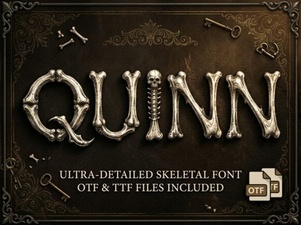 Quinn Font: Creative Typography for Your Projects
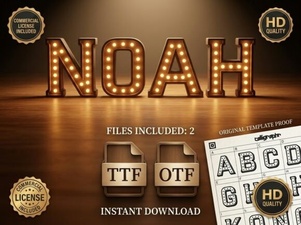 Explore the Noah Font: Design Features & Creative Uses
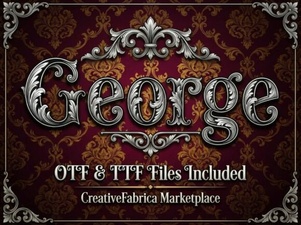 George Fonts for Modern Design Projects
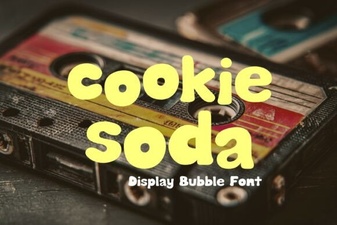 Cookie Soda Font for Creative Projects