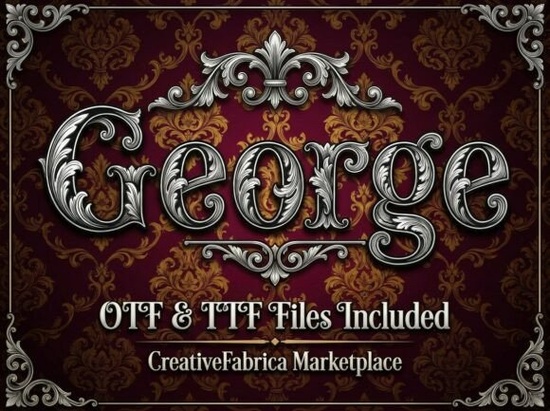
If you are designing premium packaging or luxury branding, the typeface you choose sets the entire mood for your customer. The George font brings a rich, historical feel to your projects with its ornate Victorian engraving style. Instead of relying on plain lettering, this typeface uses lush acanthus leaf flourishes and elaborate hand-drawn scrolls to create a high-contrast serif that looks incredibly detailed. It is built specifically for creators who need their work to stand out on a crowded shelf or digital feed.
What makes a Victorian engraving font stand out?
Regular serif fonts are clean and easy to read, but they often lack the decorative flair needed for high-end products. An engraving style mimics the intricate metal-cutting techniques used in the 1800s for banknotes, official certificates, and classic advertisements. When you use a typeface with this level of detail, you instantly communicate quality, heritage, and craftsmanship. The thick and thin stroke variations in these historical styles draw the eye and add a tactile feel to flat designs. If you need something with a bit more rustic charm for a different project, you might also explore a textured display option to give your work a weathered, authentic look.
Where should I use highly decorative serif typefaces?
Because of the heavy detailing, these fonts are best reserved for short text like headlines, logos, or monograms. They work beautifully for premium spirit labels, where the bottle needs to look expensive and established on the shelf. High-end cigar packaging also benefits from this classic, masculine elegance. For boutique jewelry branding, the delicate scrolls add a touch of romance and fine art.
When designing a full brand identity, you will need variety to keep the layout interesting. If your main logo uses heavy flourishes, your secondary elements might need a smoother, more relaxed vibe. You could pair your ornate main text with a smooth script alternative for subheadings or quotes. For a modern twist on a vintage layout, try mixing it with a clean contemporary display to keep the design from feeling too heavy or outdated. If your project leans more toward a playful retro aesthetic instead of strict Victorian luxury, a retro 70s style might be a better fit for your target audience. Alternatively, if you want that classic heritage feel but with slightly softer, more approachable edges, a traditional vintage serif is always a reliable choice for everyday branding.
How do I keep ornate text readable in my layouts?
The biggest mistake designers and crafters make with highly detailed lettering is using it for long paragraphs or small text. The intricate swashes and thick contrasts become muddy and illegible when scaled down. Always use these decorative fonts for short phrases, brand names, or single words. Give the text plenty of breathing room by increasing the line height and adding generous margins around your design elements.
Printing and physical materials also play a huge role in how these fonts perform. Foil stamping, letterpress, or embossing on thick, high-quality paper will make the fine lines pop beautifully. On the other hand, printing on cheap, highly textured paper might cause the tiny details to blur or get lost in the paper grain. For digital products like social media graphics, ensure you export at a high resolution so the thin strokes remain crisp on high-definition screens.
What is the best way to test my design before printing?
Before you finalize your luxury packaging or send your files to the printer, it is crucial to see how the details hold up in the real world. Print a physical proof at actual size. This helps you catch any spacing issues or blurry lines that you might miss on a backlit monitor.
Before you finalize your luxury packaging design, run through this quick checklist to ensure your typography looks its best:
- Limit the ornate font to your main headline, logo, or a short tagline.
- Pair it with a simple, highly readable sans-serif or basic serif for the body copy and legal text.
- Check the physical design at actual print size to ensure the fine flourishes do not bleed together.
- Choose a print finish, like matte, foil, or embossing, that highlights the high-contrast strokes.
- Test the design on different background colors to ensure the intricate details remain visible.
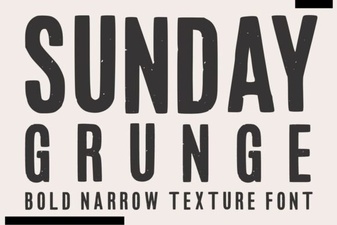 Sunday Grunge Fonts for Creative Designs
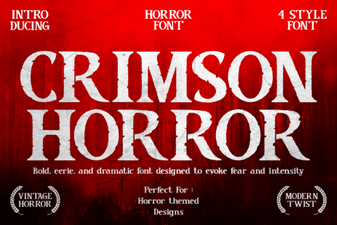 Craft with Crimson Horror Font: Design Ideas
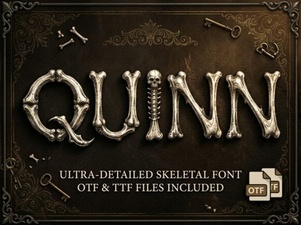 Quinn Font: Creative Typography for Your Projects
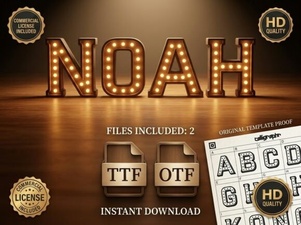 Explore the Noah Font: Design Features & Creative Uses
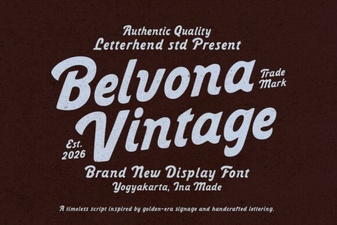 Belvona Vintage Font for Design Projects
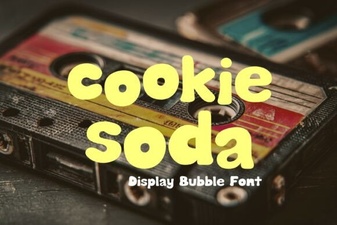 Cookie Soda Font for Creative Projects