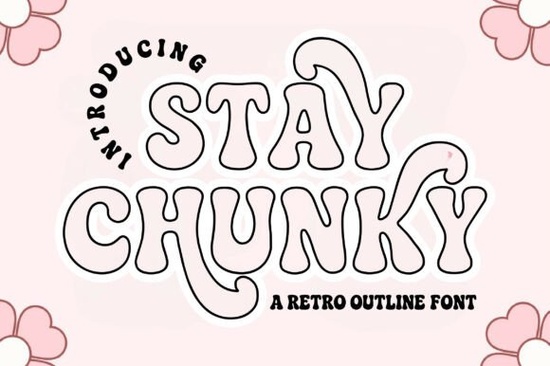
When you need typography that reads clearly at a distance but still feels playful and nostalgic, Stay Chunky Outline Font fits right in. It captures that bubbly seventies aesthetic while keeping the visual weight light enough for clean screen printing. The hollow center works on both dark and light backgrounds, which saves time when adjusting color palettes for different products. Crafters, print-on-demand sellers, and small business owners frequently choose outline display typefaces because they balance bold presence with flexible material usage.
Whether you are designing custom stickers, branding tote bags, or laying out social media graphics, hollow letterforms tend to perform better on textured surfaces. Solid heavy fonts can crack or stiffen fabric after a few washes, but this style maintains flexibility while giving your composition breathing room. Many designers pair it with minimal line art to keep the retro groovy feel grounded without looking dated.
Why do hollow letterforms work better on physical products?
The open interior is the main advantage. When you apply heat transfers or screen print apparel, too much solid ink creates stiffness. Leaving the center empty keeps the material soft and reduces ink coverage costs. You also gain more layout freedom inside the strokes. You can layer a subtle gradient, place a contrasting color underneath, or keep it completely transparent for a clean modern finish. If you enjoy working with open characters, you might also explore the shaded companion version for posters that need extra dimension without adding heavy weight.
How do I pair it without overwhelming the design?
Start with warm, earthy colors that naturally highlight the vintage inspiration. Muted mustard, soft terracotta, or faded olive work especially well with retro display typography from the seventies era. Keep supporting copy simple by using a neutral sans serif for secondary text. Adjust tracking slightly to spread the letters apart, which improves legibility on smaller items like enamel pins or clothing tags. Limit your layout to two typefaces to maintain clear visual hierarchy and prevent clutter.
When you need a clean secondary font for product descriptions or care instructions, browsing through a geometric display option usually solves the readability issue. It keeps the focus on the headline while providing comfortable reading for fine print.
What file settings prevent blurry exports?
Always keep your vectors crisp and avoid rasterizing until the final export step. For print platforms, save at three hundred DPI in PNG format with a transparent background. This allows the strokes to adapt to whatever mockup color you test without leaving white halos. For sticker sheets, leave a three millimeter bleed margin around the tallest character to account for cutting shifts. If your design includes smaller text, increase the outline weight slightly to prevent the hollow area from collapsing during trimming.
If you experiment with distressed textures, a subtle paper overlay works well. You can also try a weathered typeface when creating thrift-store style flyers that require intentional aging effects.
- Check stroke consistency: Zoom to full size and verify the outline thickness stays even across every character.
- Test on actual material: Print a quick draft on cotton or vinyl to see how the hollow center handles folds and overhead lighting.
- Control spacing: Give the letters room to breathe. Crowding them together defeats the airy purpose of the design.
For beverage labels or café menus, a rounded alternative shares similar friendly proportions while offering a slightly tighter layout for narrow shelves.
How do I organize files for client or printer delivery?
Freelancers and small shop owners save hours by keeping layered source files intact until final approval. Save one editable version with live text, then duplicate it for flattening and export. Include a PDF with converted outlines for the printer, plus a high-resolution PNG for quick visual previews. This prevents last-minute font substitution errors and keeps production moving smoothly. If your project requires a header with a different historical feel, a western serif pairs well as a secondary accent without competing for attention.
Typography archives show that outline designs gained popularity in mid-century advertising because they saved ink costs while maintaining strong shelf presence. You can study Stay Chunky Outline Font layout techniques to understand how vintage campaigns balanced negative space and bold shapes.
Before finalizing your artwork, view the mockup on a phone screen and a physical printout side by side. Colors shift noticeably between monitors and fabric. Once the lettering stays legible from a few feet away, your file is production-ready. Export at maximum resolution, verify the transparent canvas, and upload a neutral preview image to reduce customer confusion and return requests later.
Get Started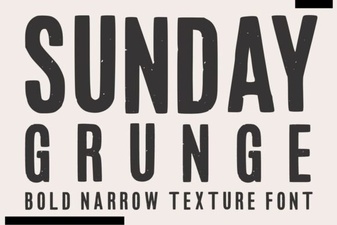 Sunday Grunge Fonts for Creative Designs
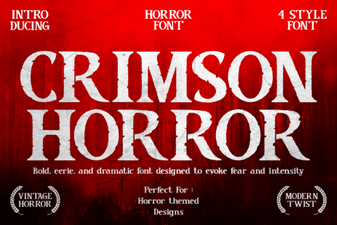 Craft with Crimson Horror Font: Design Ideas
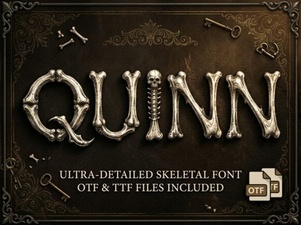 Quinn Font: Creative Typography for Your Projects
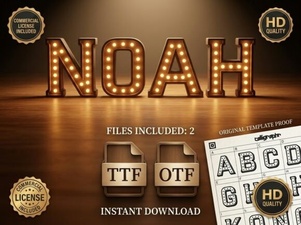 Explore the Noah Font: Design Features & Creative Uses
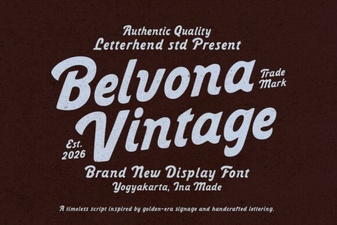 Belvona Vintage Font for Design Projects
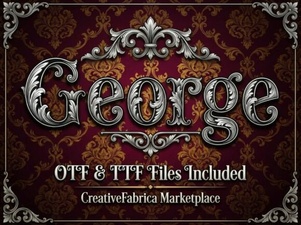 George Fonts for Modern Design Projects