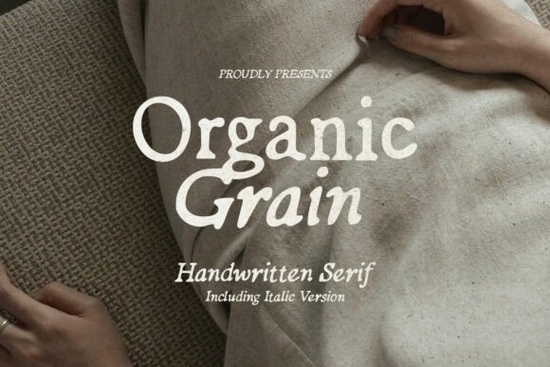
When you need typography that feels warm and grounded, Organic Grain Font delivers a naturally textured serif that works well across digital and print formats. This hand-lettered typeface family includes a clean regular cut and a matching italic version, giving you enough flexibility to handle everything from storefront signage to wedding invitations. The soft, blurred edges mimic real ink absorbing into paper, which removes that overly polished look many modern brands now avoid.
Why do handmade projects need a serif with natural texture?
Designers and print-on-demand sellers often look for typefaces that carry subtle imperfections. Slight variations in stroke weight and softened terminals suggest human craftsmanship rather than machine precision. When paired with earth tones or kraft paper mockups, the design feels approachable and trustworthy. Small business owners value that quality because it builds immediate recognition without relying on loud colors. Crafters also notice how both weights maintain readability at smaller sizes, which matters for product tags and packaging inserts.
If you are comparing similar options, browsing sweeter handwritten alternatives or more weathered choices can help you evaluate stroke thickness before committing to a final design.
How can you use this family for branding and commercial print work?
The main strength of a blurred serif typeface lies in its adaptability. You can drop it into logo lockups where the italics serve as a subtle accent, or use the regular weight for longer text blocks on brochures. Wedding planners frequently select this style for invitation suites because it reads as elegant without feeling stiff. The natural effect prints cleanly on cotton rag and uncoated stock, where ink absorbs quickly and preserves those soft edges.
When building a visual identity, keep your hierarchy simple. Let the type carry the mood instead of layering heavy textures behind it. For banners or storefront signs that need sharper edges, checking out clean structural lettering or minimalist sans serif options gives you a reliable fallback that still aligns with a natural brand direction. For a complete look at how these strokes render across different backgrounds, the official showcase page displays live examples you can test against your own color palettes.
What spacing and sizing choices keep the design readable?
Hand-lettered serifs behave differently on screen than in print. On a website, increasing letter spacing by ten to fifteen percent prevents blurred terminals from merging on smaller displays. For printed quotes or posters, keep line height at least one and a half times the point size so the italic slant does not overlap neighboring lines. Headlines work best above twenty-four points, while body copy stays comfortable between twelve and fourteen points depending on paper weight.
Testing files before delivery saves time. Always export as a high-resolution PDF or PNG, then zoom to one hundred percent to check edge quality. If you notice harsh pixelation around the softened curves, switch to a smoother export setting or convert the type to outlines before saving.
Which file formats and licensing details should you verify?
Commercial designers must confirm the license covers your intended use. Standard personal licenses usually allow mockups and portfolio work, while extended licenses handle physical product sales and large print runs. The family arrives in standard desktop formats that integrate seamlessly with vector software, desktop publishers, and craft cutters. Keep a backup copy of your original download and store the license receipt with your project files for quick client handoffs.
Quick steps before your next upload or print run
- Check spacing: Adjust tracking until soft edges breathe properly at your target size.
- Pair carefully: Combine the regular weight with a light sans serif to avoid visual clutter.
- Export correctly: Use PDF for print shops and PNG for web previews, keeping resolution at three hundred DPI.
- Verify licensing: Confirm commercial allowances cover POD marketplaces and merchandise limits.
Start with a small test layout before committing to a full branding suite. Drop a headline and two short paragraphs into your file, print on uncoated paper, and review under natural light. If the texture reads clearly and spacing feels balanced, you have a solid foundation for your next project.
Get Started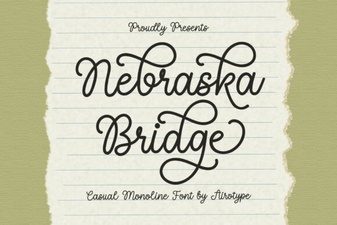 The Nebraska Bridge Font for Modern Design
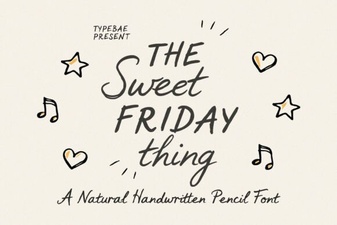 Sweet Friday Font: Download & Creative Uses
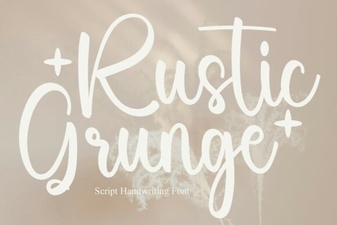 Creative Projects with Rustic Grunge Fonts
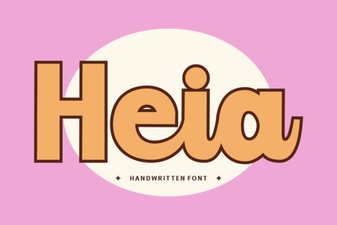 The Heia Font: a Creative Typography Tool
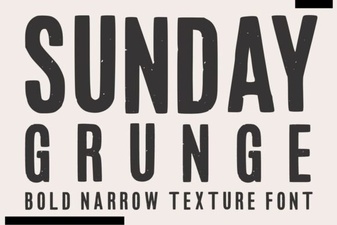 Sunday Grunge Fonts for Creative Designs
 Peache Mango Font: Creative Design Projects