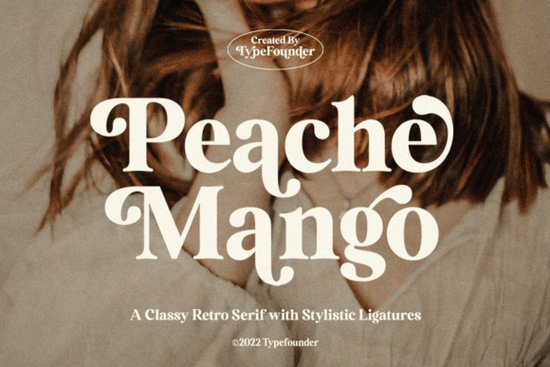
If you are looking for a typeface that balances vintage charm with modern readability, the Peache Mango Font is a fantastic choice for your next creative project. This retro serif brings a warm, nostalgic feel to any layout, making it highly versatile for both digital and print media. Whether you are designing product packaging, creating social media graphics, or laying out a lifestyle magazine, this typeface offers the perfect mix of playful curves and sophisticated structure.
What makes this retro serif stand out for branding?
The design of this typeface draws heavy inspiration from the editorial styles of the 1970s. It features thick, soft curves and charmingly exaggerated terminals that give it a distinct, memorable personality. Unlike rigid modern fonts, it feels approachable, organic, and deeply comforting. For small businesses and crafters, this means your branding can feel both high-end and cozy. It works exceptionally well for organic product labels, boutique coffee shop menus, artisanal bakery packaging, and vintage-inspired clothing tags. The velvety smoothness of the letterforms adds a touch of nostalgia that helps customers connect emotionally with your brand.
How can crafters and POD sellers use it effectively?
Print-on-demand sellers and crafters often need typography that catches the eye on physical products without looking cluttered. Because of its display nature, this font shines when used at larger sizes where the unique details of the terminals can be fully appreciated. You can use it for a wide variety of physical and digital goods:
- Apparel and accessories: T-shirt slogans, cozy sweatshirt graphics, and canvas tote bag prints.
- Home decor: Wooden signs, throw pillow lettering, and framed wall art with inspirational quotes.
- Paper goods: Greeting cards, wedding invitations, and digital planner layouts.
If you want to explore more options in this specific style, you might also want to check out this detailed page about the font to see how it fits into broader layout templates. It is also a great idea to browse through similar retro serif options if you need a secondary typeface for your body text or want to compare different vintage styles.
What are the best practices for pairing it with other typefaces?
When working with a highly stylized display face, the key is to keep the rest of your design clean and breathable. Since Peache Mango Font has a lot of visual character, you should pair it with a simple, highly legible sans-serif or a very neutral serif for your body copy. To complete the 1970s aesthetic, consider pairing it with a warm, earthy color palette featuring mustard yellows, burnt oranges, and muted greens.
- For social media: Use it for the main headline and a clean geometric sans-serif for the subtext and captions.
- For packaging: Let it be the star of the front label, using a minimalist font for the nutritional info, ingredients, or barcode on the back.
- For magazines and blogs: Use it for feature article titles, keeping the column text in a classic, easy-to-read body font to maintain reader comfort.
Is it suitable for digital and web projects?
Yes, but with a few practical considerations. Because it is a display font with thick strokes and unique terminals, it is best reserved for headings, buttons, and short banners on websites. Using it for long paragraphs on a screen can reduce readability and cause eye strain. However, for a cozy lifestyle blog header, a chic landing page hero section, or an email newsletter header, it adds a wonderful touch of high-end comfort that keeps visitors engaged. Just ensure you maintain high color contrast between the text and the background for accessibility.
Quick checklist before you start your design
- Check the license: Ensure the included commercial license covers your specific use case, especially if you are selling physical products or digital templates with the typography embedded.
- Test the sizing: Install the font and type out your main headline at the actual size it will be printed or displayed to check how the curves and terminals render.
- Pick a secondary font: Choose a simple, neutral typeface for your body text before you start your final layout to save time.
- Experiment with tracking: Slightly adjusting the letter spacing can sometimes make the exaggerated terminals look even more balanced, especially in short, all-caps words.
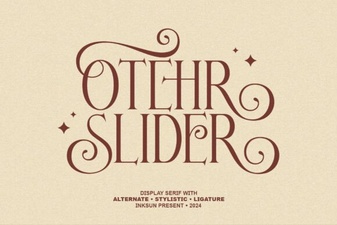 Other Slider Font Ideas for Modern Web Design
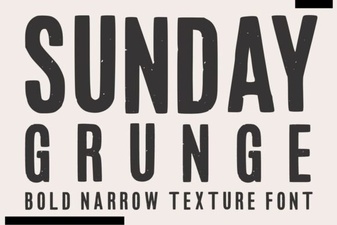 Sunday Grunge Fonts for Creative Designs
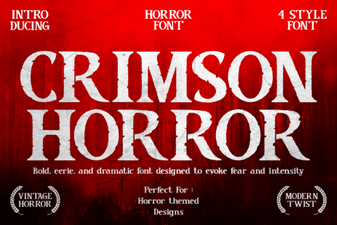 Craft with Crimson Horror Font: Design Ideas
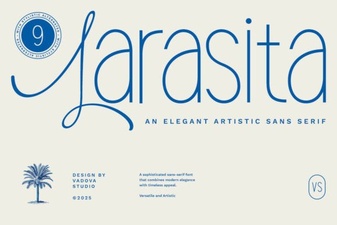 Larasita Font: Modern Elegance for Digital Projects
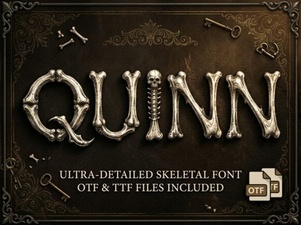 Quinn Font: Creative Typography for Your Projects
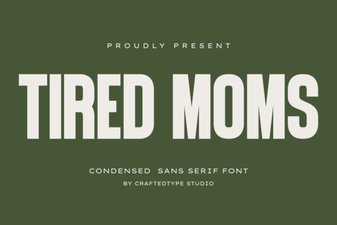 Typography for Tired Moms: Font Design & Practical Projects