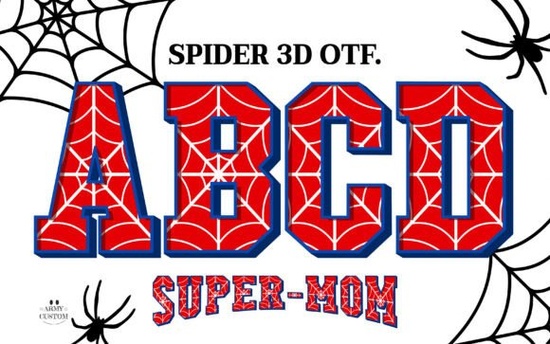
If you are looking to add a bold, comic-book style to your next project, the Spider 3d Font offers a striking visual option. This typeface combines a classic superhero aesthetic with a detailed web motif, making it highly effective for designs that need to stand out. Whether you are creating merchandise, designing a logo, or working on a digital poster, understanding how to apply this specific style will help you get the best results for your audience.
What types of projects work best with this typeface?
Because of its strong visual presence, this font is best suited for short text rather than long paragraphs. It works exceptionally well for physical and digital products that need an immediate visual impact. Some of the most successful applications include:
- Print-on-demand apparel: T-shirts, hoodies, and tote bags featuring comic, gaming, or superhero themes.
- Event posters: Halloween parties, comic conventions, cosplay gatherings, or local gaming tournaments.
- Digital graphics: YouTube thumbnails, Twitch overlays, podcast covers, or social media banners.
- Packaging design: Snack boxes, energy drinks, or toy packaging that needs a dynamic, energetic look.
When you pair it with the right background, you can also explore variations like the colorful font options to make your text pop even more against dark or busy backgrounds.
How do I make sure the 3D effect prints clearly?
One common challenge with heavily stylized typography is maintaining readability when printed on physical products. The intricate web details can sometimes get lost on certain materials or shrink too much during the printing process. To ensure your design looks sharp and professional:
- Use high contrast: Print light-colored text on dark fabrics, or dark text on light backgrounds to maintain legibility.
- Keep the size large: The 3D shading and web details need physical space to be visible. Avoid using it for small text under 24 points.
- Choose the right material: Smooth cotton or polyester blends hold fine details much better than rough canvas or heavily textured fabrics.
- Vectorize when possible: If you are sending files to a professional printer, convert your text to outlines to prevent any missing font errors.
By paying attention to these physical production details, you ensure the intricate web motif remains clear and impactful on the final product.
Can I use this for commercial branding?
Yes, but with some strategic considerations. Because the style is highly thematic, it is best used for specific product lines, event branding, or sub-brands rather than a primary corporate logo. For example, a gaming cafe might use it for their weekend tournament flyers, or a craft store might use it for a seasonal Halloween sale banner.
When building a brand identity around this style, keep the rest of your design elements clean and simple. Let the typography be the main focal point, and use solid colors or subtle gradients in the background to avoid visual clutter. Always remember to review the specific commercial license included with your download to ensure your intended use is covered.
What are some quick tips for pairing it with other fonts?
Since this typeface is so visually heavy, the fonts you pair it with need to provide a visual rest for the reader. Here is a quick guide to finding the right match for your layout:
- Use clean sans-serif fonts: Simple, geometric sans-serif typefaces work best for body text, subtitles, and pricing information.
- Avoid other decorative fonts: Pairing it with another 3D or heavily stylized font will create a messy, unreadable design that confuses the viewer.
- Play with weights: If your secondary font has multiple weights, use a light or regular weight to contrast the boldness of the main headline.
Keeping your secondary typography minimal ensures the main headline gets the attention it deserves without overwhelming the overall composition.
Final Design Checklist
Before you export your final files, run through this quick checklist to ensure your design is fully ready for production or publishing:
- Is the text short, punchy, and easy to read at a glance?
- Is there enough contrast between the text and the background?
- Are the secondary fonts simple, clean, and unobtrusive?
- Have you checked the licensing terms for your specific commercial use?
Next step: Open your design software, type out a short headline, and experiment with different background colors to see how the web details interact with your chosen palette.
Get Started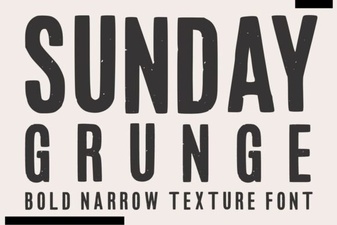 Sunday Grunge Fonts for Creative Designs
 Peache Mango Font: Creative Design Projects
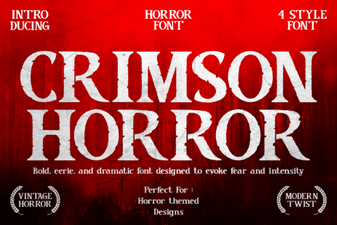 Craft with Crimson Horror Font: Design Ideas
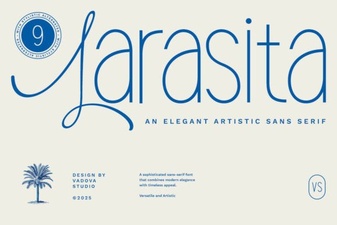 Larasita Font: Modern Elegance for Digital Projects
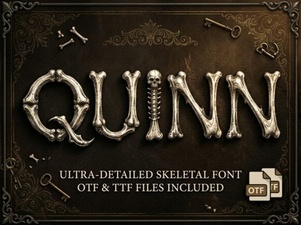 Quinn Font: Creative Typography for Your Projects
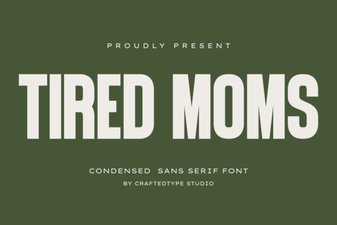 Typography for Tired Moms: Font Design & Practical Projects